
Why Is My Car Overheating?
Common Causes and Warning Signs
Your vehicle's cooling system plays an essential role in protecting the engine from excessive heat.
When coolant levels drop, a leak develops or a component stops working correctly, engine temperatures can rise quickly. Ignoring these problems may lead to serious engine damage and expensive repairs.
An overheating engine is a problem no driver should ignore. If the temperature gauge climbs above its normal range or an engine temperature warning appears, continuing to drive can cause extensive damage.
Understanding the possible causes helps you recognise when your vehicle needs attention. For drivers in Epping, a prompt cooling system assessment can help identify the problem before it becomes more expensive to repair.
What Causes a Car to Overheat?
Your engine produces considerable heat during normal operation.
The cooling system circulates coolant to absorb and release that heat, helping maintain a suitable operating temperature. When part of the system fails, the engine may become too hot.
1. Low Coolant Levels - Coolant helps transfer heat away from the engine. If the level drops because of a leak or another fault, the system may struggle to control temperature. Repeatedly needing to top up coolant is not normal and should be investigated. Simply adding more coolant does not resolve the underlying cause.
2. Coolant Leaks - Leaks can develop in hoses, connections, the radiator, the water pump or other parts of the system. You might notice a coloured puddle beneath the vehicle, a sweet smell or visible residue around a component, although not every leak is easy to see. Never inspect or handle a hot cooling system without appropriate precautions.
3. Thermostat Problems - The thermostat regulates coolant flow as the engine warms up. If it fails to open correctly, coolant circulation may be restricted and the engine can overheat. Testing is needed to determine whether the thermostat is responsible or another problem is producing similar symptoms.
4. Radiator or Cooling Fan Faults - The radiator releases heat from the coolant. Restricted airflow, internal blockages or other radiator problems can reduce its effectiveness. The cooling fan helps move air through the radiator, particularly when the vehicle is stationary or moving slowly. If the fan or its control system fails, engine temperatures may rise in these conditions.
5. Water Pump or Circulation Problems - The water pump helps circulate coolant throughout the system. If it fails or coolant flow becomes restricted, heat may not be carried away from the engine effectively. A professional inspection can help determine whether circulation is the issue.
What Should You Do if Your Car Overheats?
If you notice a rising temperature gauge or overheating warning, turn off the air conditioning if safe and find a safe place to pull over. Switch off the engine as soon as it is safe, then arrange assistance.
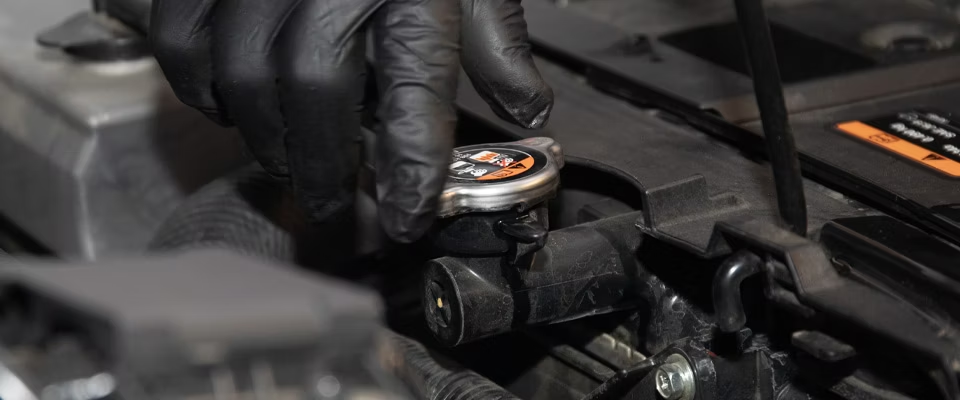
*Never remove the radiator cap or open a pressurised cooling system while it is hot...
Escaping steam or hot coolant can cause severe burns
Do not continue driving in the hope that the temperature will return to normal. If steam is coming from the engine bay, keep your distance and wait for professional assistance.
Can Overheating Damage the Engine?
Yes. Excessive heat can damage cylinder head gaskets, distort engine components and, in severe cases, cause major engine failure. The extent of the damage depends on the cause, how hot the engine becomes and how long it remains overheated. Addressing cooling system problems early is generally safer than waiting for a breakdown.
Cooling System Checks in Epping
At Affordable Mechanics Epping, we can assess overheating symptoms, investigate coolant loss and check for signs of cooling system faults. Our technicians can explain the findings and recommend appropriate repairs based on your vehicle's condition.
Arrange a Cooling System Inspection
If your car is running hotter than normal, losing coolant or repeatedly displaying an engine temperature warning, don't ignore it. Contact Affordable Mechanics Epping in Epping to arrange a cooling system assessment and help protect your engine from avoidable damage.